Custom LED Module Development for Furniture

Custom Furniture Lighting Engineered Around Your Product

Develop integrated LED lighting that fits your furniture structure, desired light effect, controls, assembly process, and target market. Move from an application idea to a project-specific module specification through a structured engineering process.

re1dskngZw0xiiqLzbsbfZpsHGhuaPgSnmiCM4CV

Where Custom Furniture Lighting Creates the Most Value

The right module depends on the furniture construction and the user experience—not only on wattage or color temperature. These examples show the questions an engineering review should resolve.

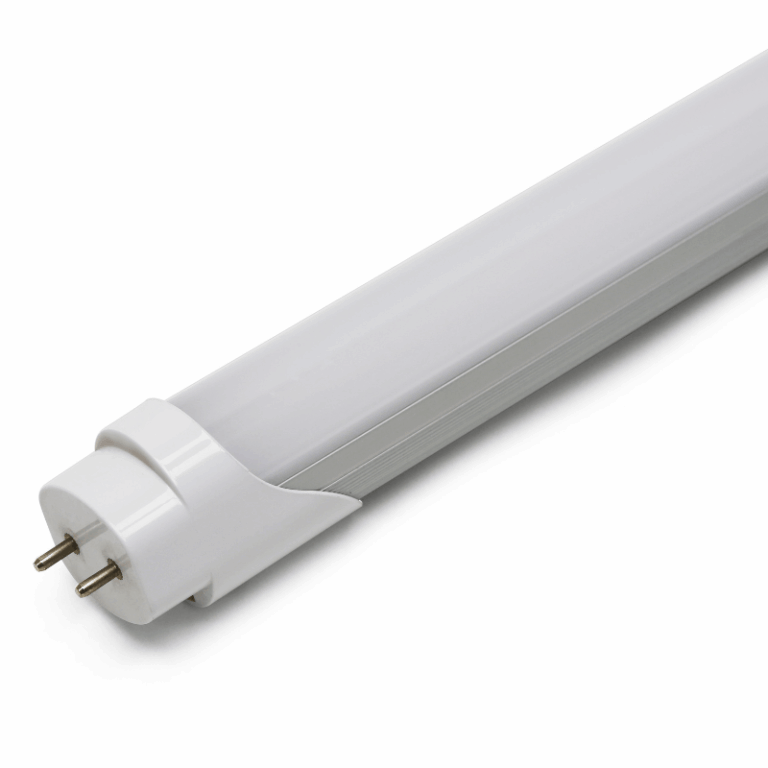
970mm 15W T8 LED tube light with aluminum PC housing for commercial retrofit

Wardrobes and walk-in closets

Operating environment
Enclosed cabinetry, frequent door cycles, limited wiring space
Buyer requirement
Comfortable automatic lighting with clean concealed installation
Design constraint
Sensor position, aluminium profile depth, hotspot control, cable routing
Design direction
Low-profile linear LED module with door or motion sensing and serviceable connectors
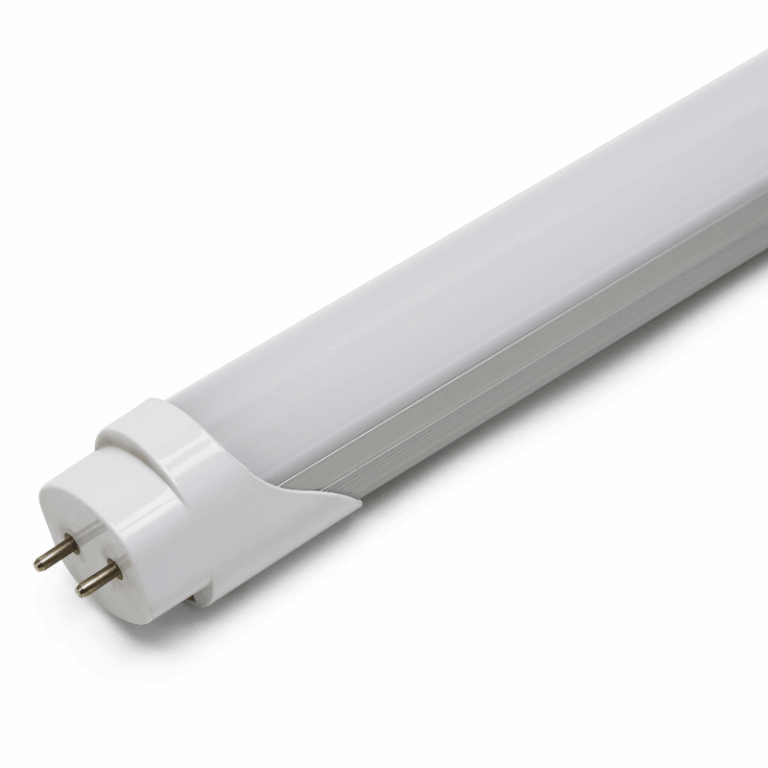
900mm 14W T8 LED tube light with aluminum PC housing for commercial retrofit

Kitchen cabinets and drawer systems

Operating environment
Heat, humidity, cleaning exposure, repetitive opening and closing
Buyer requirement
Integrated task or accent lighting that matches the cabinet system
Design constraint
Shallow grooves, glare control, installation tolerance, driver access
Design direction
Cut-to-project light engine or rigid module with matched optics and connection scheme
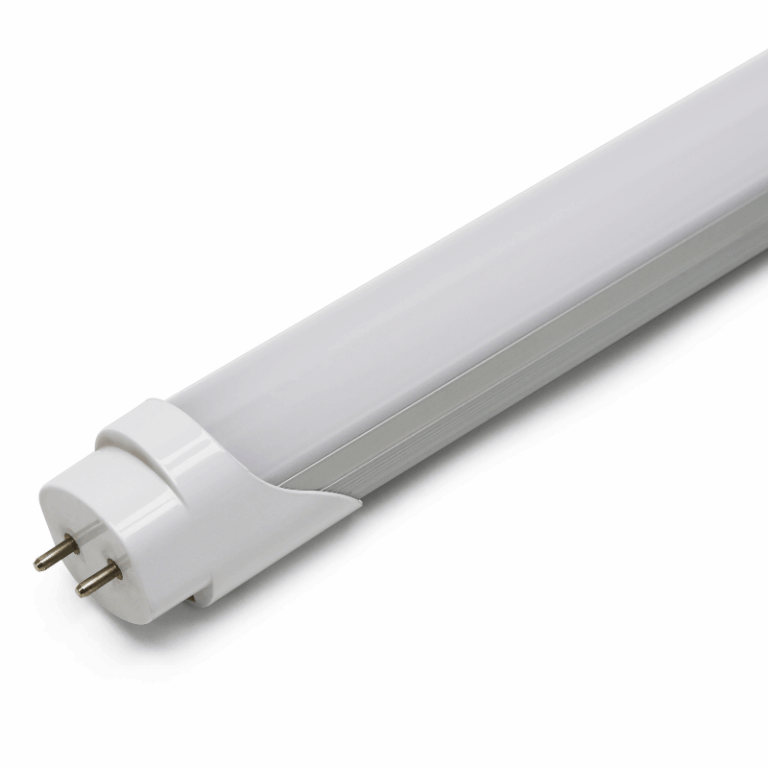
600mm 10W T8 LED tube light with aluminum PC housing for commercial retrofit

Retail shelving and display furniture

Operating environment
Long operating hours, frequent merchandise changes, visible customer-facing surfaces
Buyer requirement
Consistent product illumination and fast onsite replacement
Design constraint
Color consistency, low glare, modular wiring, shelf thickness
Design direction
Modular shelf-lighting system with specified beam, CCT, CRI and plug-and-play harness

Integration Challenges to Resolve

A standard strip or profile does not fit the furniture geometry.

Purchasing risk: Last-minute mechanical rework, exposed wiring, uneven light or delayed assembly.

Confirm: Section drawing, available cavity, bend radius, mounting surface and assembly sequence.

The expected light effect is described visually but not translated into measurable targets.

Purchasing risk: Prototype brightness, glare, color or uniformity may differ from the design intent.

Confirm: Reference photos, target illuminance, viewing distance, CCT, CRI and dimming behavior.

Electrical controls and connectors are selected after the furniture has been designed.

Purchasing risk: Incompatible sensors, driver overload, visible cables or difficult field service.

Confirm: Input voltage, control protocol, sensor logic, cable exits, connector standard and service method.

What Can Be Customized for the Furniture System

Customization should focus on variables that affect fit, optical performance, electrical safety, installation and repeatable production. Final feasibility depends on the submitted project data.

Mechanical structure

PCB outline, module length, cut-outs, mounting points, profile interface, cable exit and connector position

Buyer input: 2D/3D drawings, material stack-up, tolerance, mounting method and accessible service space

Optical performance

CCT, CRI target, luminous output, LED pitch, diffuser interaction, beam direction and dimming range

Buyer input: Use distance, viewing angle, surface color, target brightness, photography and acceptance method

Electrical and controls

Input voltage, power, current regulation, connectors, harness, touch/motion/door sensing and control interface

Buyer input: Power architecture, wiring diagram, duty cycle, controller data and target market

Assembly and production

Adhesive, clips, screws, embedded assembly, labeling, packaging and installation aids

Buyer input: Assembly sequence, takt time, operator access, packaging constraints and service requirements

450mm 7W T8 LED tube light with aluminum PC housing for commercial retrofit

Compare Three Practical Starting Configurations

The engineering review can combine elements from more than one configuration after the furniture geometry, production method and service strategy are understood.

2400mm 36W T8 LED tube light with aluminum PC housing for commercial retrofit
Low-Profile Linear Module
1500mm 22W T8 LED tube light with aluminum PC housing for commercial retrofit
Modular Shelf Lighting System
1200mm 18W T8 LED tube light with aluminum PC housing for commercial retrofit
Project-Specific Light Engine
Decision factor Low-ProfileModular SystemCustom Light Engine Buyer guidance
Best fit Shallow channels and concealed accent lightingProduct families with repeatable shelf or cabinet widthsUnique geometry or tightly integrated products Choose by mechanical envelope and expected production repeatability.
Development input Section drawing and target light effectFurniture family dimensions, wiring and assembly flowFull drawings, optical and electrical targets, validation plan More integration freedom requires a more complete engineering brief.
Service strategy Replaceable profile or modulePlug-and-play module replacementProject-defined service or sealed integration Confirm field service expectations before locking connectors and mounting.
Commercial consideration Can start from an adapted platformBenefits from shared interfaces across modelsMay involve project-specific NRE or tooling Commercial terms are confirmed after technical feasibility review.

Define Validation Before the Sample Is Judged

Validation is planned around the furniture application, target market and responsibility boundary so that the prototype is judged against defined criteria.

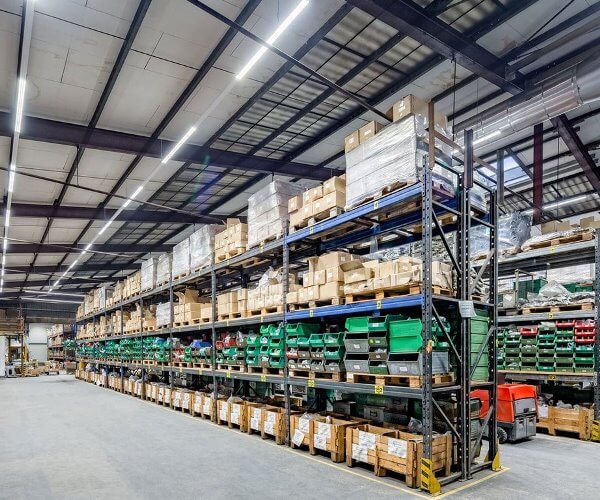
LED tube light for warehouse lighting

Fit and interface verification

Purpose: Confirm that the module, cable exits, connectors and mounting features fit the furniture assembly

Method: Check against approved drawings and a representative furniture sample or fixture

Acceptance criteria: Project-defined dimensional and assembly criteria

Evidence: Fit-check record, drawing review and assembly observations

external power supply t8 led tube light

Light effect and uniformity review

Purpose: Compare brightness, shadow, hotspot, glare and color appearance with the agreed target

Method: Visual review plus agreed photometric measurements at defined positions

Acceptance criteria: Project-specific target values and signed sample

Evidence: Photometric readings, comparison photos and signed sample record

3-custom fluorescent light LED

Thermal operating check

Purpose: Evaluate temperatures at defined ambient conditions and operating states

Method: Measure agreed points after stabilization in the representative installation

Acceptance criteria: Limits based on selected components, materials and project requirements

Evidence: Temperature readings with documented test conditions

MarketStandard / requirementScopeConfirmation note
European marketApplicable safety, EMC, material and product-level requirementsDepends on whether VST supplies a component, subassembly or finished lighting productMap the module scope to the finished furniture compliance plan before design freeze.
North American marketApplicable component recognition, safety and EMC requirementsDepends on system voltage, installation method and final furniture listing routeCoordinate the component and finished-product listing route with the buyer's compliance team.
Project-specific marketsLocal electrical, materials, documentation and import requirementsDefined by the destination country and final product categoryIdentify destination-country requirements before component selection and documentation release.

Documentation for Project Approval

Product specification

Project Specific

Issued for the approved project configuration.

Dimensioned drawing

Project Specific

Prepared or reviewed during development.

Test summary

Available on Request

Scope depends on agreed tests and available evidence.

Material and compliance declarations

To Confirm

Availability depends on components, suppliers and target market.

Testimonials

The structured review helped our team resolve the profile depth, sensor position and wiring route before the furniture drawings were released.
970mm 15W T8 LED tube light with aluminum PC housing for commercial retrofitEuropean Cabinet System BrandProduct Development Manager · Germany

Sensor lighting integrated into a modular wardrobe family

Having the optical target and assembly constraints in one brief made the sample discussion much faster across design, purchasing and production.
900mm 14W T8 LED tube light with aluminum PC housing for commercial retrofitInternational Shopfitting ContractorEngineering Buyer · Netherlands

Modular shelf lighting for retail display furniture

Plan the Commercial Path Alongside the Engineering Work

MOQ approach

MOQ is evaluated from the selected LEDs, PCB or module platform, connectors, profiles, custom tooling, packaging and production setup. Reusing an existing platform may support a different starting quantity from a project-specific light engine.

Sampling support

Sample planning can include concept samples, fit-check units, optical comparison units and production-intent samples. The sample quantity and configuration should match the decisions the buyer needs to make.

Lead-time factors

Lead time is shaped by drawing completeness, component availability, tooling, prototype rounds, testing scope, approvals and packaging preparation. A realistic schedule is built after the development route is selected.

Tooling / NRE

NRE or tooling may apply to custom PCBs, lenses, housings, jigs, fixtures or special validation. Cost ownership, revision impact and reuse conditions should be documented before work begins.

Supply stability

Production planning considers approved components, second-source strategy where practical, revision control, forecast visibility and change notification. Critical parts should be identified before the design is frozen.

Packaging & logistics

Packaging is planned around module length, connector protection, ESD sensitivity, labeling, kit configuration and the customer’s assembly sequence. Export carton and pallet requirements can be aligned with the shipping method.