
Exact Visual Effect
Tune color temperature, CRI, LED spacing and diffuser compatibility for the intended appearance.
OEM / ODM LED STRIP LIGHTING
Configure electrical, optical, mechanical and packaging details for a strip-light solution that fits your project or private-label program. Start from your drawing, target performance or an existing sample.
Specification review before quotation | Sample validation available for qualified projects
FROM REQUIREMENT TO BUILDABLE SPECIFICATION
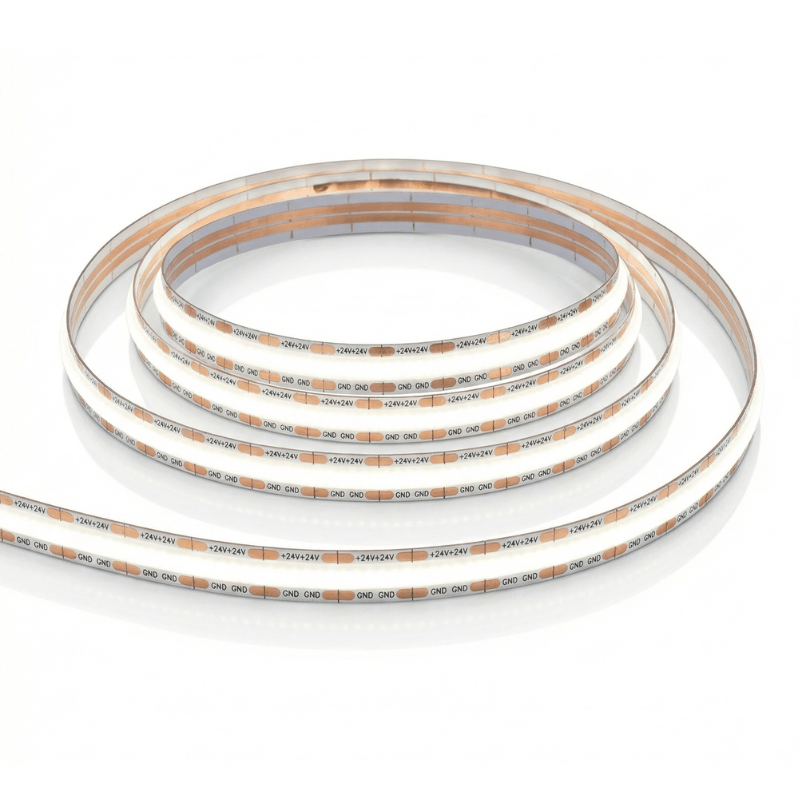
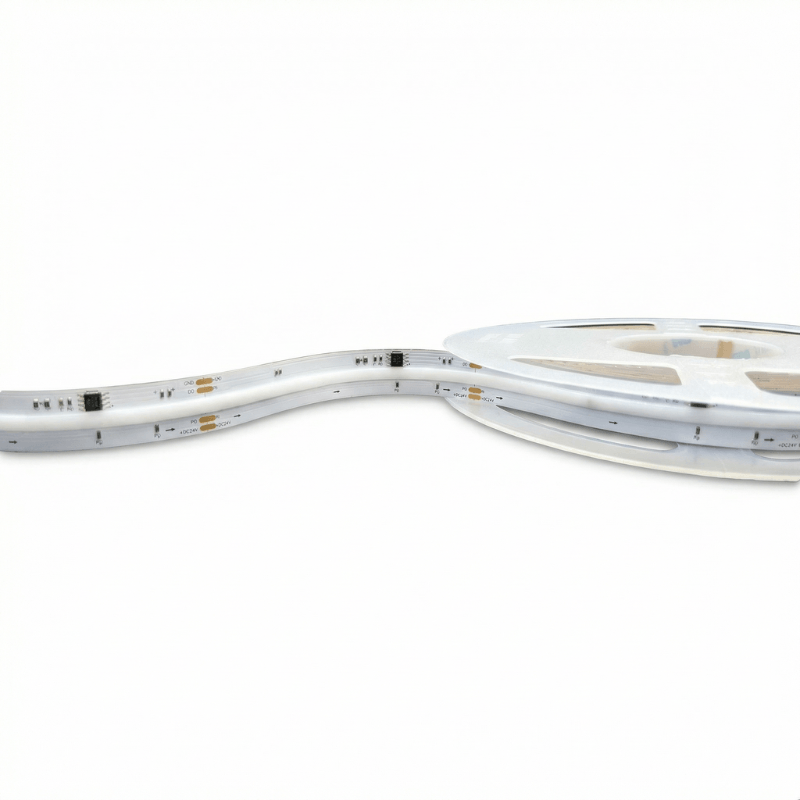
A custom LED strip is not defined by color temperature alone. Reliable sourcing starts by aligning the LED package, PCB, drive conditions, thermal path, protection method and installation accessories.
Share your target lumen output, installation space, operating environment, dimming protocol and market requirements. The resulting specification can then be reviewed for manufacturability, cost and repeatability before sampling.
Choose voltage, power, current limits and dimming compatibility.
Define CCT, CRI, color tolerance, brightness and viewing effect.
Confirm PCB width, cut length, reel length, connector and profile compatibility.
Match the protection method and materials to indoor, damp or outdoor use.
WHY CUSTOMIZE
Customization is useful when a standard catalog item creates compromises in brightness, appearance, installation, control or packaging.
Tune color temperature, CRI, LED spacing and diffuser compatibility for the intended appearance.
Set PCB width, cut points, lead wires and finished lengths around installation constraints.
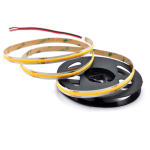
Coordinate voltage, dimming, connectors, drivers and controls before production.
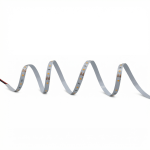
Align labels, reels, cartons, manuals and accessory kits with your distribution program.
PRODUCT DEFINITION
Custom LED strip lights are flexible or rigid linear light sources configured beyond a standard catalog specification.
The customization can involve LED type and density, circuit design, PCB material and width, voltage, wattage, CCT, CRI, RGB or tunable-white control, protection level, cut length, connectors, adhesive, reel format and private-label packaging.
The right specification balances light performance, heat, voltage drop, installation method, compliance needs and total landed cost.
Brightness, beam appearance, CCT, color quality and consistency.
Voltage, power, circuit layout, dimming and control protocol.
PCB width, cut length, reel length, wires, connectors and profiles.
MOQ, sample plan, packaging, labeling and repeat-order control.

PRODUCT STARTING POINTS
Use an existing LED strip platform as the starting point, then adjust the specification around your application and purchasing plan.
Finished Lighting
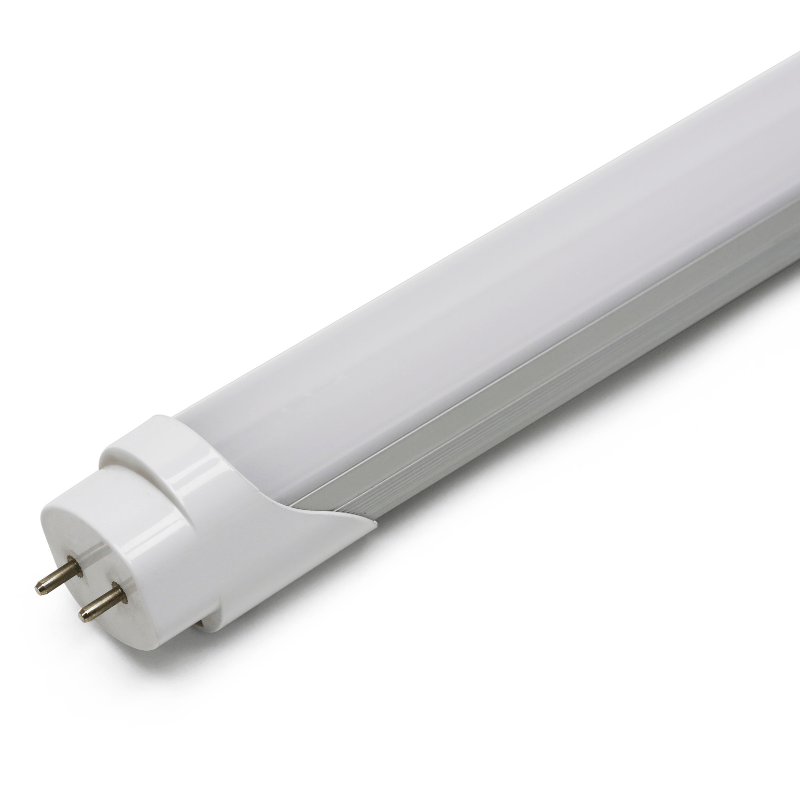
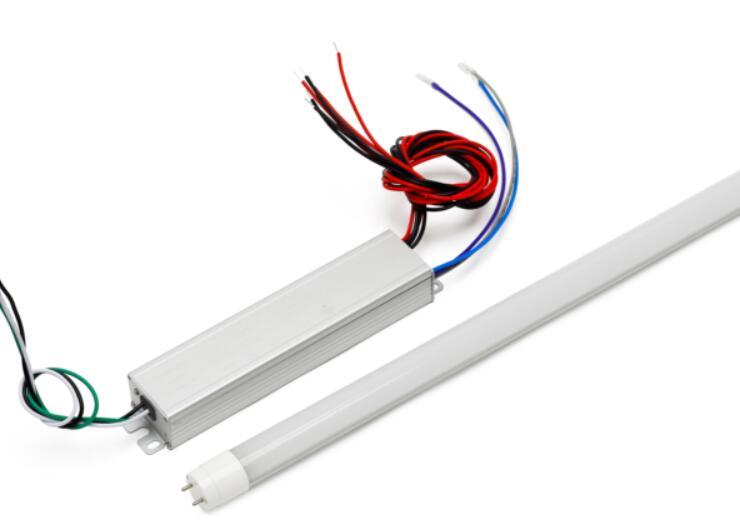
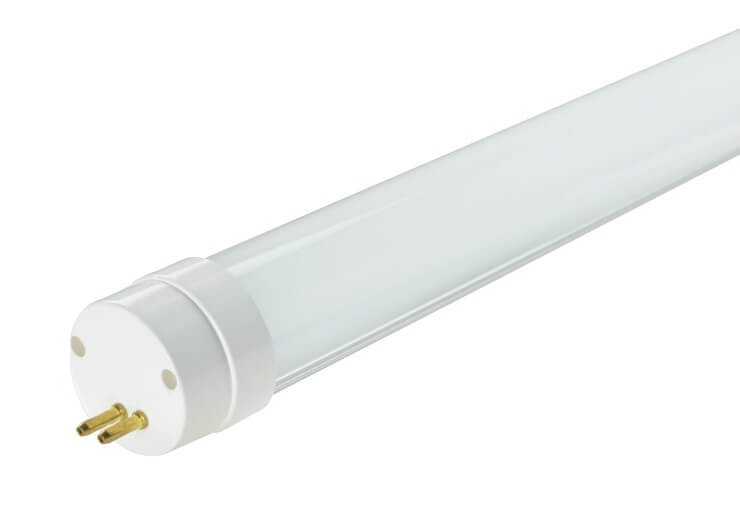
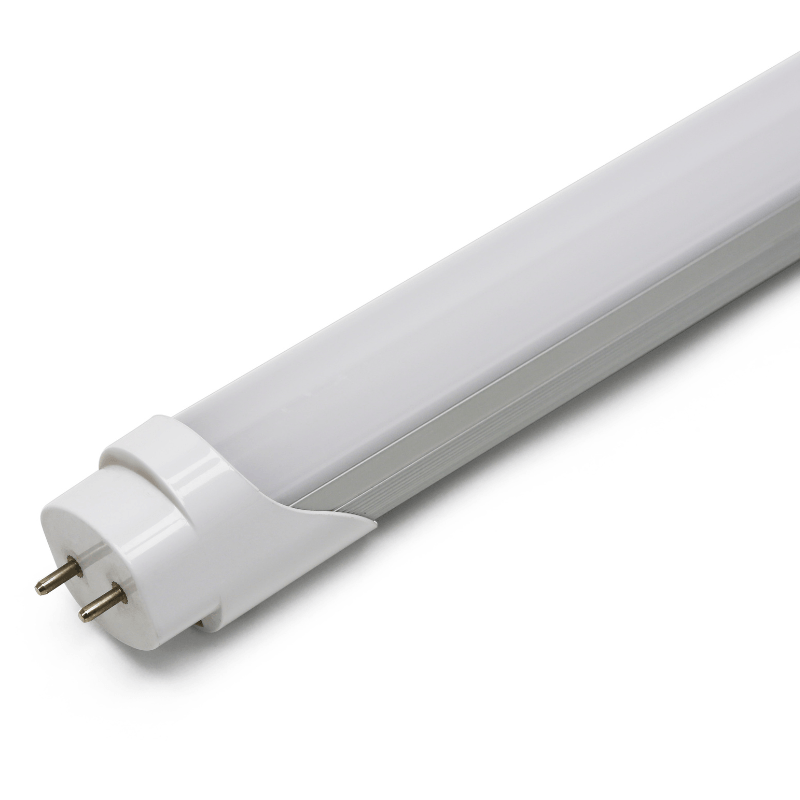
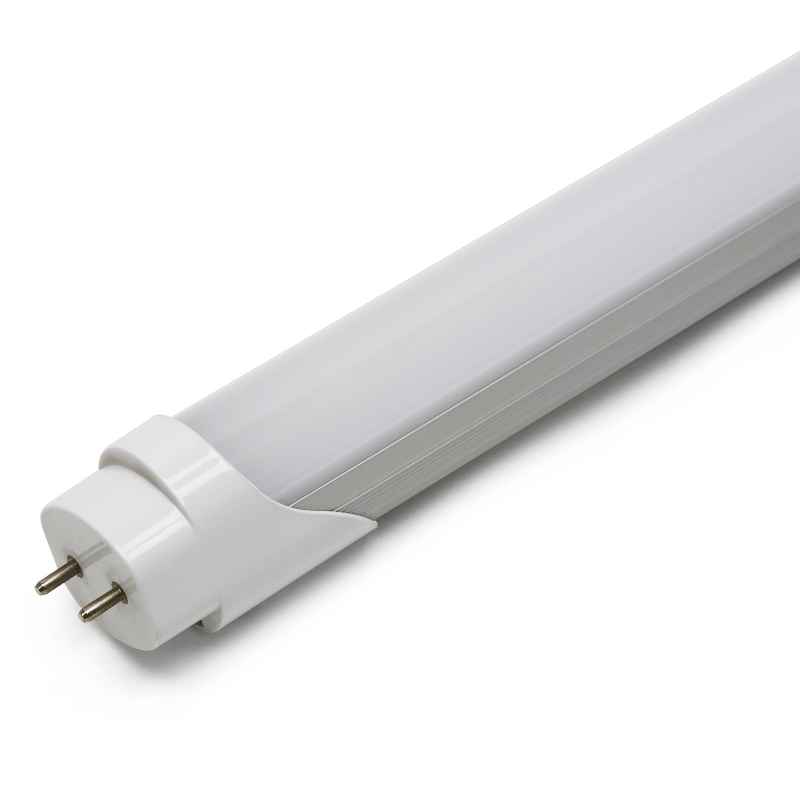
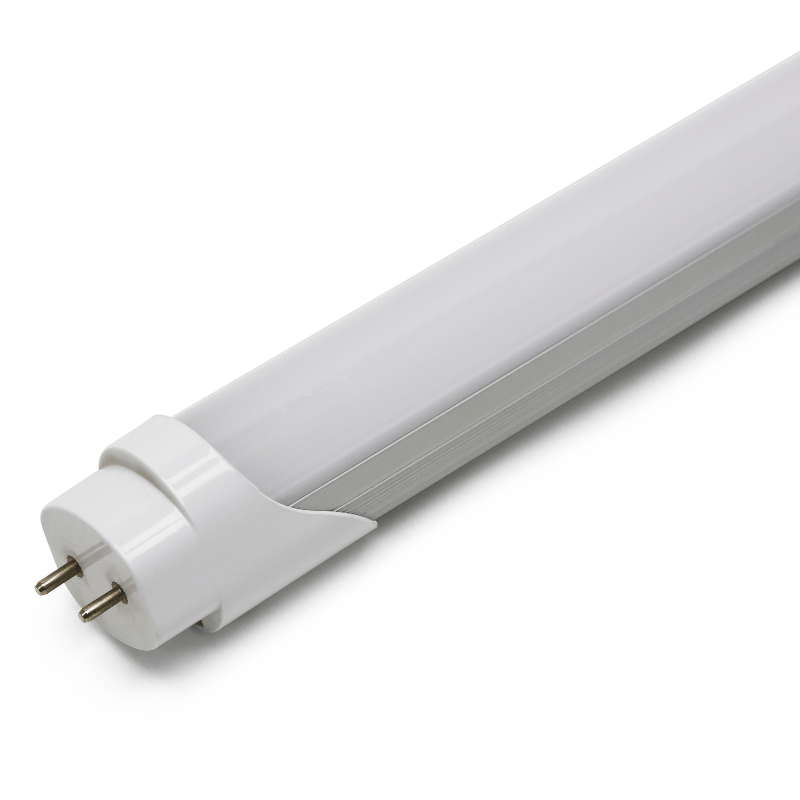
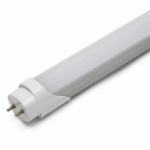
Compact 450mm 7W T8 LED tube light for cabinets, display fixtures, equipment integration, and tight commercial retrofit spaces. It offers 150lm/W efficiency,…
View productMORE CONFIGURATIONS
Compare available product families before deciding whether a standard modification or a new custom build is appropriate.
Finished Lighting
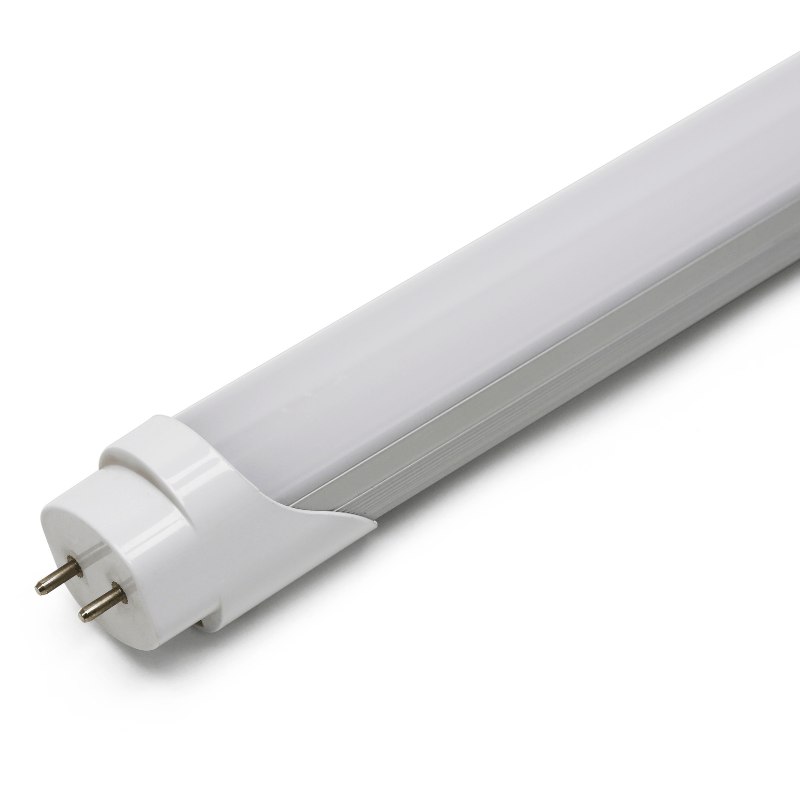
Compact 450mm 7W T8 LED tube light for cabinets, display fixtures, equipment integration, and tight commercial retrofit spaces. It offers 150lm/W efficiency,…
View productCONFIGURABLE DETAILS
Each item can be reviewed independently, then validated as a complete system.

Single color, tunable white, RGB, RGBW and application-specific color targets.
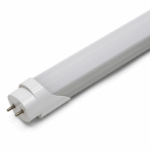
Select color-quality targets and define acceptable production tolerance.
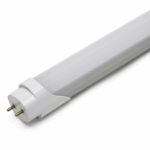
Coordinate copper, width, voltage and wattage with heat and voltage-drop limits.
Choose coating, tube or extrusion options around the installation environment.
ENGINEERING CHECKPOINTS
The sample should verify more than appearance. Electrical loading, thermal behavior, color consistency and assembly compatibility all affect repeat orders.
Resolve conflicting requirements before the quotation is finalized.
Approve appearance, dimensions, connectors and packaging references.
Define checkpoints for incoming materials, assembly and finished output.

Keep the approved specification linked to labeling and repeat-order records.
CUSTOMIZATION WORKFLOW
A clear workflow reduces quotation revisions and helps the supplier compare cost, performance and lead-time tradeoffs.
STEP 01
Provide installation drawings, operating environment, required light effect, run length, controls, market and estimated volume. If you are replacing an existing strip, include its label and measured dimensions.
STEP 02
Review the recommended LED, PCB, voltage, power, protection and accessory combinations. Evaluate each option against performance, manufacturability, MOQ and expected order cost.
STEP 03
Confirm the physical sample, specification sheet, label artwork, packaging and acceptance points. The approved package becomes the reference for production and future repeat orders.
TECHNICAL RESOURCES
Use these resources to organize the information needed for a faster technical review and quotation.
LED strip voltage issues usually come from voltage drop, mismatched driver output, or incorrect wire sizing, and the fix is to verify…
LED strip voltage problems usually come from voltage drop, driver mismatch, poor wiring, or overload. The core rule is simple: measure voltage…
COB LED strips and SMD LED strips solve different lighting problems. If your project needs a clean, continuous light line with fewer…
Demo download card using an existing media-library file for layout testing.
SUPPLIER SUPPORT
A custom product becomes commercially useful only when documentation, packaging and repeat-order controls are also clear.
Translate project goals into a structured list of optical, electrical and mechanical decisions.
Keep sample references aligned with the final bill of materials and approved artwork.
Plan reel labels, bags, cartons, manuals and accessory kits around the sales channel.
Use approved specifications and production records to reduce uncontrolled changes.
BUYING GUIDE
Start with the application constraints, then compare the tradeoffs that affect performance, cost and installation.
Confirm temperature, moisture, cleaning exposure, bend direction and available profile space.
Long continuous runs may require different voltage, conductor sizing or feed points.
Specify CCT, CRI, brightness, LED visibility and diffuser expectations.
Match the strip to dimming, controllers, drivers, wiring and connector standards.
Set reel lengths, labels, cartons, accessory kits and batch-identification needs.
Finished Lighting
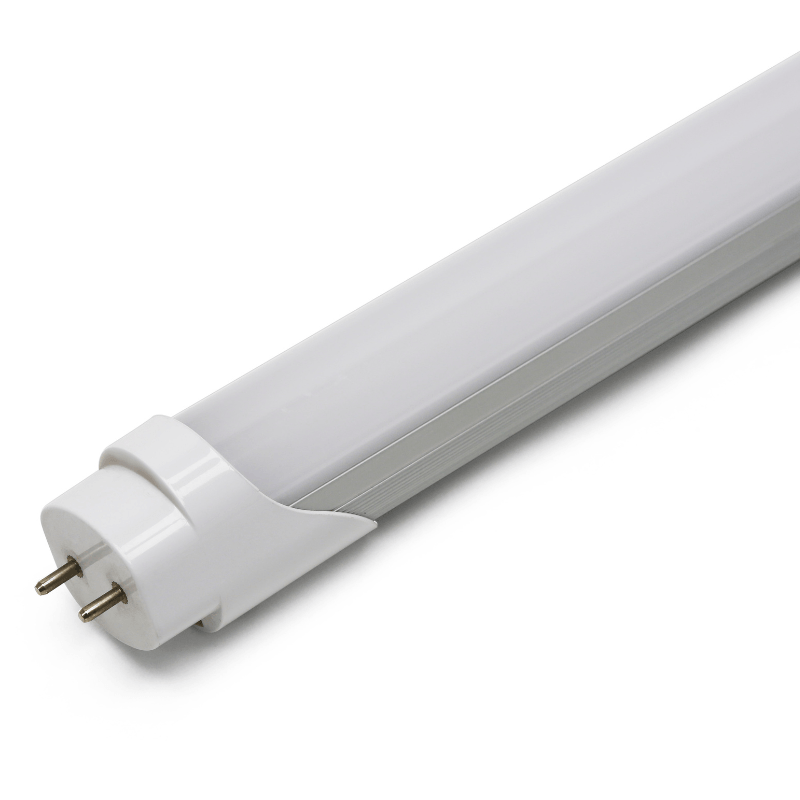
Compact 450mm 7W T8 LED tube light for cabinets, display fixtures, equipment integration, and tight commercial retrofit spaces. It offers 150lm/W efficiency,…
View productCONFIGURATION COMPARISON
The values below are planning examples for layout testing. Final specifications must be confirmed for the selected product.
| Parameter | SMD Standard | COB Dot-Free | High Output | Outdoor Protected |
|---|---|---|---|---|
| Best fitApplication fit depends on the complete assembly. | General lighting | Visible linear light | High illuminance | Damp or outdoor areas |
| Typical visual effectDiffuser depth changes the final appearance. | Defined LED points | Continuous appearance | Bright linear output | Protected light line |
| PCB optionsConfirm profile and bend constraints. | Multiple widths | Narrow or standard | Wider thermal path | Matched to protection method |
| Control optionsController and driver compatibility must be checked. | Single color / RGB | Single / tunable white | Single color | Project dependent |
| Key selection issueThese are demo comparison points, not final specifications. | LED spacing | Heat and cut length | Thermal management | Sealing and dimensions |
APPLICATIONS
Custom configurations are most useful when the installation, visual effect or supply program cannot be served efficiently by a standard reel.
Match long runs, dimming, CCT and profile dimensions to the lighting design.
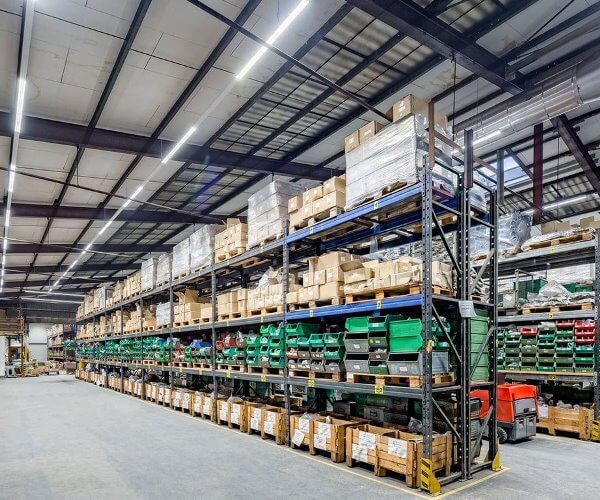
Coordinate high color quality, cut lengths, lead wires and concealed installation.
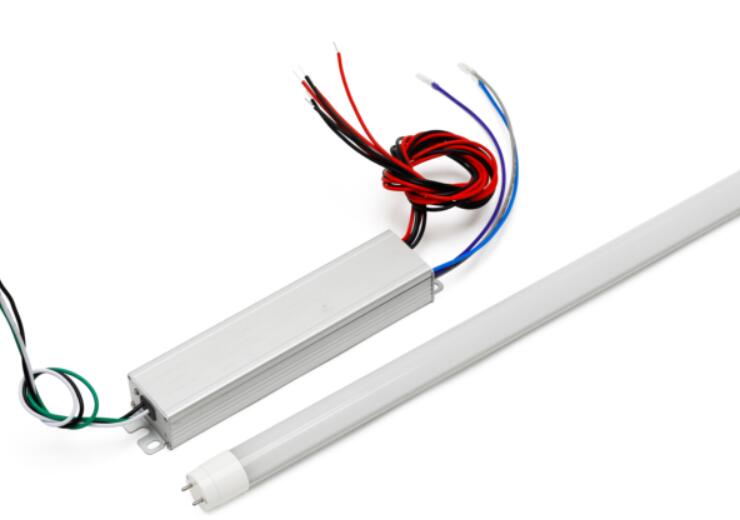
Use narrow PCB, connector and low-profile options for repeatable assembly.
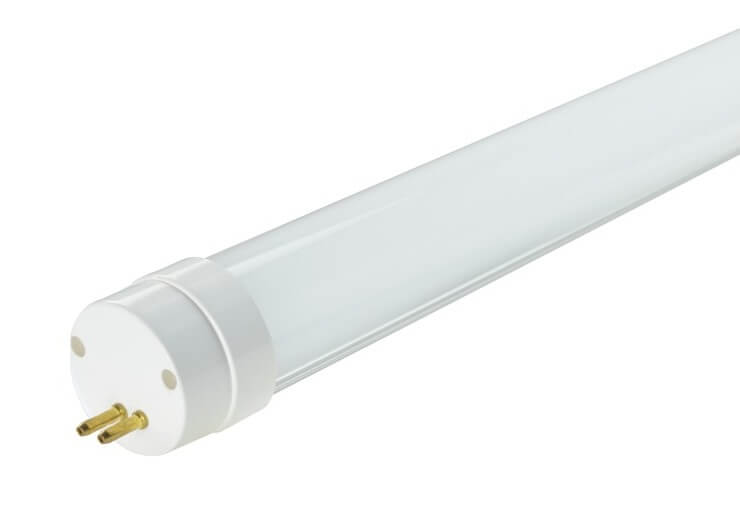
Control the visual effect, dimming behavior and finished lengths across room types.
READY TO DEFINE YOUR BUILD?
Send the application, target performance, estimated quantity and any drawing or sample reference. We will organize the open decisions for technical review.
TECHNICAL OPTIONS
Use these categories to prepare a complete RFQ and reduce avoidable revisions during sampling.
Specify brightness, CCT, CRI, color tolerance, LED density, beam appearance and whether individual LED points may be visible.
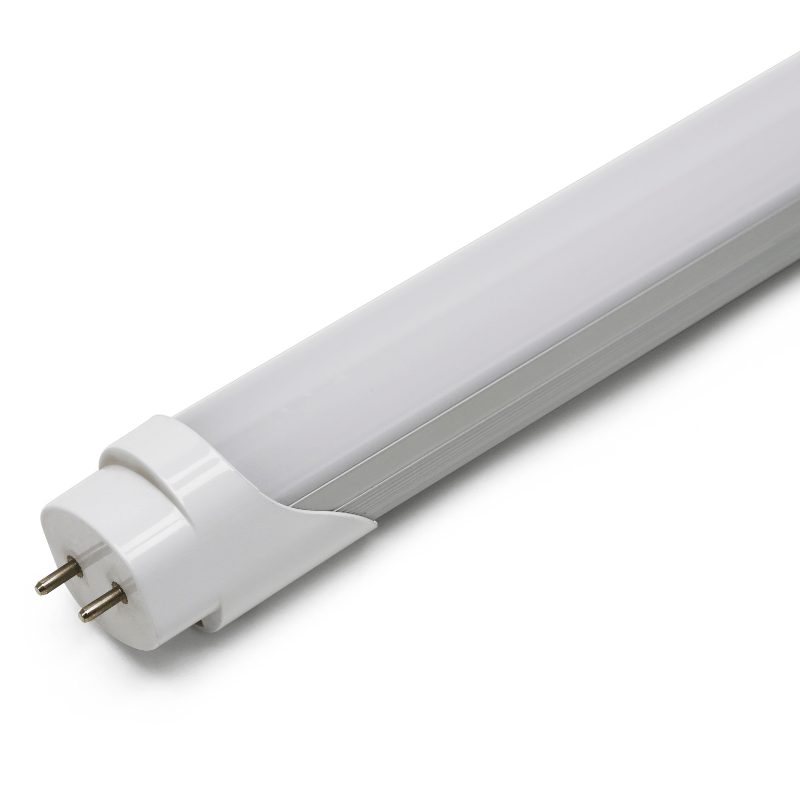
Confirm voltage, wattage, run length, feed points, dimming method and controller compatibility. Review voltage drop and thermal loading together.
Set PCB width, cut length, bend direction, adhesive, protection method, wire position, connector and reel length.
Define labels, manuals, cartons, barcodes and the documents required by the importer or sales channel. Final compliance claims must match verified reports.
DEMO BUYER FEEDBACK
The following names and comments are fictional demonstration content for testing the testimonial layout.
The structured specification review helped our team identify connector and cut-length issues before the sample order.
We could compare the cost and performance tradeoffs without losing track of the requirements for our private-label range.
The sample checklist made approval easier for both our sales team and the project installer.

CUSTOMIZATION FAQ
These answers help buyers prepare the information needed for technical review and quotation.
Provide the application, voltage, target wattage or brightness, CCT or color, CRI, PCB width, cut length, IP requirement, reel length, connector or wire details, quantity, destination market and timeline. Drawings and reference samples are useful when available.
Finished lengths, lead-wire position, wire gauge, cable length and connector type can be reviewed. Feasibility depends on the strip cut unit, sealing method and order quantity.
Approval should cover the physical sample, written specification, label artwork, packaging and agreed inspection points. Do not rely on appearance alone.
MOQ is influenced by custom PCB, LED binning, protection tooling, connectors, packaging, material purchasing units and setup work. A modification of an existing platform usually has a different MOQ from a new design.
Private-label reels, bags, cartons, manuals and barcodes can be planned. Artwork format, print method, quantities and destination-market labeling requirements must be confirmed.
RELATED PRODUCTS
Review related strips, modules and components when planning a complete lighting assembly.
Finished Lighting
Compact 450mm 7W T8 LED tube light for cabinets, display fixtures, equipment integration, and tight commercial retrofit spaces. It offers 150lm/W efficiency,…
View productBUYER KNOWLEDGE
A strong custom LED strip RFQ explains where the product will be installed, what visual result is expected and how it connects to the rest of the system. A catalog code alone rarely communicates run length, thermal conditions, profile dimensions, dimming behavior, packaging or destination-market requirements.
For replacement projects, record the existing strip voltage, wattage, PCB width, cut marks, wire position and connector. Photograph the reel label and measure the installation space. For a new project, provide drawings, profile details, diffuser distance and the desired light effect.
Higher wattage can increase output, but it also changes heat management and voltage drop. The PCB width, copper, mounting surface, feed points and maximum continuous run should be reviewed together. A strip that performs well on a short sample may not behave the same way across a long installation.
Specify the target result and ask the supplier to explain the feasible combinations. This creates room to compare a lower-power high-efficacy option, a wider PCB, a higher system voltage or additional feed points.
Descriptions such as warm white or high CRI are not enough for repeat purchasing. State the target CCT, CRI, color tolerance and any special color-rendering priority. If the strip is visible through a shallow diffuser, LED density and the optical construction will influence whether dots appear.
For RGB, RGBW or tunable-white systems, confirm the control method, channel order, connector, controller and driver. A functionally compatible system should be tested as an assembly.
PCB width, cut length, bend direction, adhesive, wire exit, connector and reel length affect installation labor. Protection methods can add width, height and bending limitations, so an IP designation should not be selected without checking the finished dimensions and actual environment.
Outdoor and damp-location projects also require attention to cable entry, end sealing, mounting and the transition between the strip and power connection.
A sample order is most useful when it has written acceptance points. Record the electrical values, dimensions, appearance, wire and connector, labels and packaging. If changes are requested, issue a revised specification rather than approving through scattered messages.
Before volume production, confirm which documents and tests are required for the destination market. Certification and compliance statements should only be published or printed when supported by applicable verified documentation.
Estimated quantity, order frequency, target packaging, delivery schedule and market influence the feasible customization route. A minor change to an existing platform may be suitable for a smaller program, while a new PCB or material package may require a larger commitment.
A complete RFQ helps the supplier separate one-time development work from recurring product cost and identify long-lead materials before the delivery plan is promised.
ORDER AND DELIVERY FAQ
Confirm these points during quotation so technical approval and purchasing can move together.
Timing depends on whether the project modifies an existing platform or requires a new PCB, material, protection method or packaging. The schedule should separate specification review, sample production, approval and volume production.
Multiple variants can be reviewed, but each combination affects material planning, labels, packaging and minimum quantities. Provide a quantity breakdown by variant.
Provide editable logo and artwork files, barcode data, required marks, manual text and carton information. Final artwork should be approved before production.
Use the final specification code, revision, approved sample reference, packaging artwork and any agreed batch-control requirements. Note any requested change explicitly.
A budgetary option comparison can be prepared from the available information, but the final quotation and production specification should identify all open assumptions and required confirmations.
Share the application, target specifications and purchasing plan. Demo form for template validation.
Your information is used only to respond to this product inquiry.