
Custom LED Strip Lights for Repeatable OEM Projects
Plan custom LED strip lights for furniture, retail fixtures, architectural details, and equipment integration. As a custom LED strip lights manufacturer, VST connects run…
View detailsCustom Linear Module Development
As your custom tube light supplier, VST turns the available envelope, optical target, wiring interface, mounting method, and order priorities into a manufacturable approach. Dimensioned drawings, a representative sample, and a controlled production reference align fit, appearance, assembly, and repeatability from development through later orders.
Send your host-product drawing, target length, interface details, electrical input, quantity, and destination market.
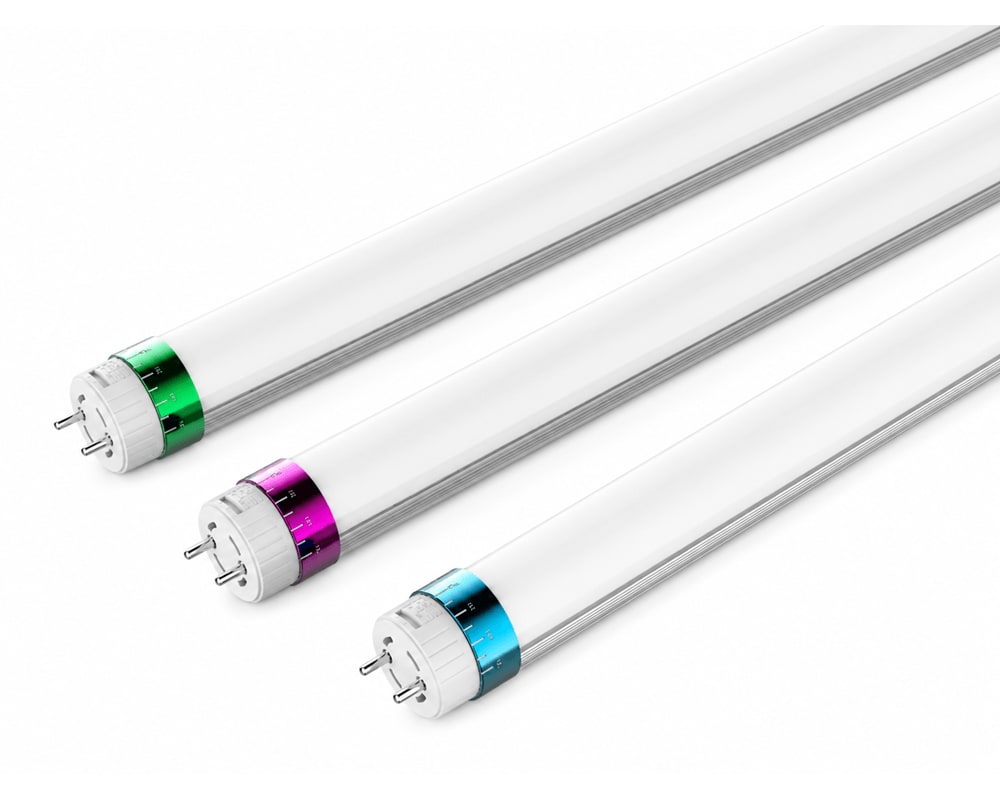
When you brief a custom tube light factory, begin with the host product instead of a nominal lamp label. Available space, holder or mounting access, ambient conditions, light distribution, electrical connection, service route, and assembly method shape the design. VST maps these inputs together, identifies the constraints that cannot move, and proposes a sample approach that tests integration without assuming unsupported output, material, or protection values.
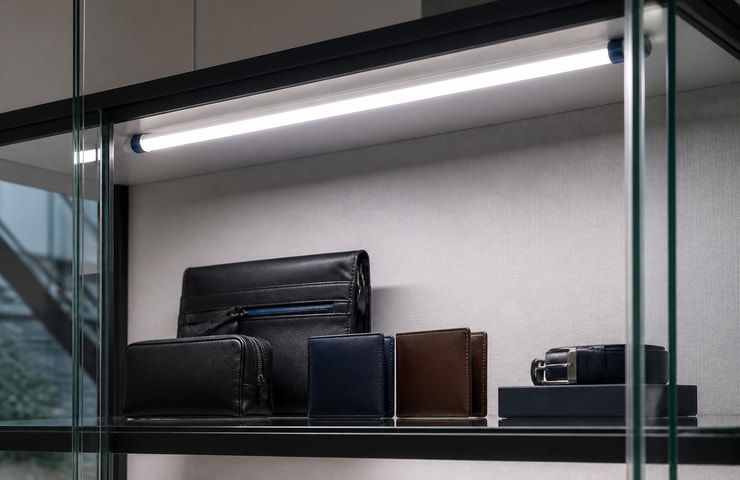
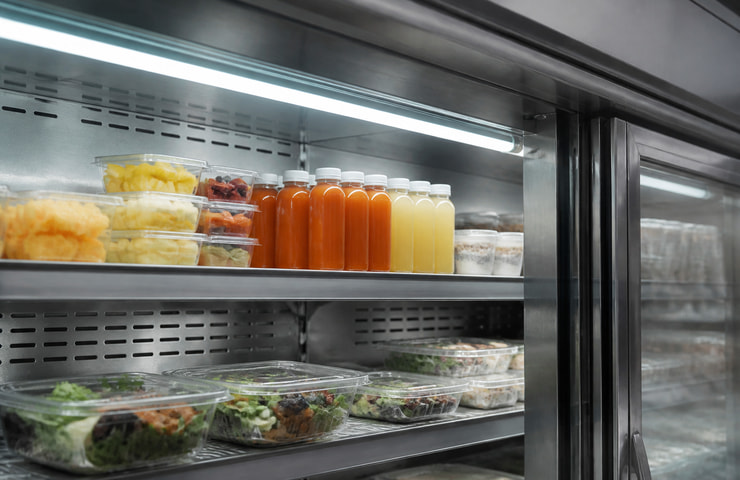
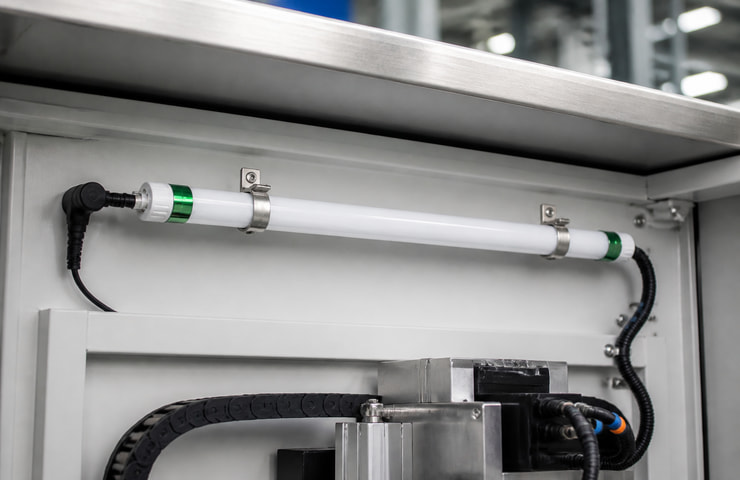
Purchasing risk: The sample may fit the general space but conflict with holders, clips, end clearance, or service access.
Confirm: Overall envelope, active length, end clearance, mounting points, and installation sequence.
VST solution direction: VST evaluates drawings or a reference sample and align the mechanical discussion before sample release.
Purchasing risk: Late electrical revisions can trigger new samples, assembly changes, or incompatible connectors.
Confirm: Input source, driver location, connector preference, cable exit, polarity, and control requirement.
VST solution direction: Treat the tube, wiring, driver arrangement, and host product as one interface evaluate.
Purchasing risk: Brightness, glare, shadowing, or visible LED patterns may not match the final product appearance.
Confirm: Viewing distance, target surface, light-quality priority, diffuser appearance, and surrounding materials.
VST solution direction: Compare a practical optical approach through sample evaluate against the agreed visual target.
A custom tube light supplier needs to understand both fixed interfaces and adjustable priorities. Send the host-product drawing, required envelope, appearance target, thermal path, electrical input, connection and mounting details, destination market, expected quantity, and cost priorities. VST then separates a platform adaptation from deeper structural work and define practical options for the profile, diffuser, PCB, ends, wiring, labels, and packaging.
Overall envelope, tube profile approach, end details, fixing method, and cable-exit position can be discussed subject to feasibility.
Buyer input: Critical dimensions, tolerances, mounting points, service access, and assembly sequence.
Diffuser character, light-quality target, visible finish, and illumination approach can be evaluated as project choices.
Buyer input: Viewing distance, glare priority, color-quality target, target surface, and acceptance reference.
Connector style, lead orientation, driver arrangement, and end-interface concept can be evaluated conditionally.
Buyer input: Input source, control method, connector constraints, cable length approach, and safety requirements.
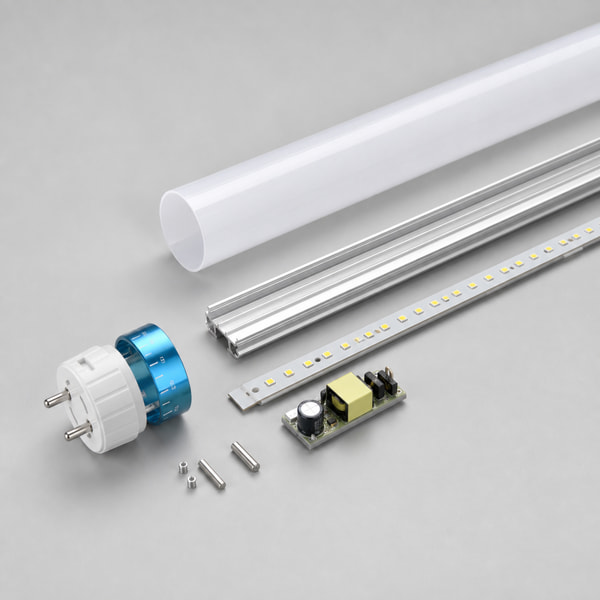
The best tube configuration depends on how the module is mounted, connected, oriented, serviced, and released inside the host product. The two directions below are discussion frameworks rather than fixed VST models. A fixed-end concept can simplify a stable installation, while an adjustable or service-oriented end concept may help where orientation or access varies. Final geometry and electrical details should be verified through drawings and an accepted sample.
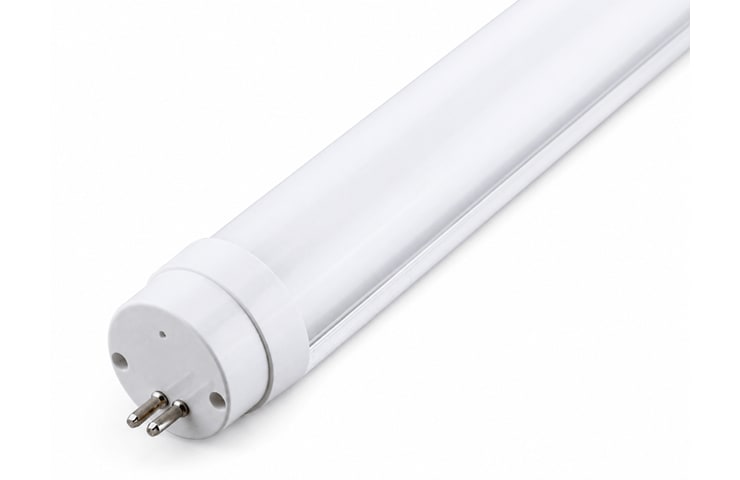
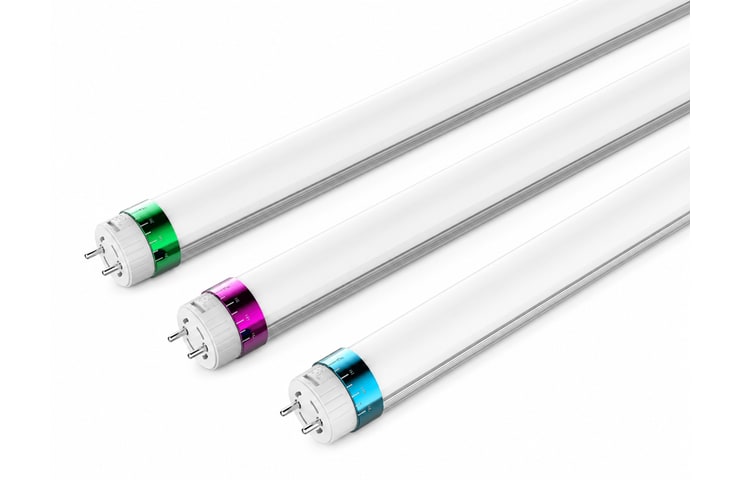
| Decision factor | Fixed-End Tube | Adjustable-End Tube | Buyer guidance |
|---|---|---|---|
| Installation orientation | Best when the mounting angle is fixed and repeatable. | Better when orientation may need adjustment during assembly. | Choose according to the host-product mounting tolerance and access. |
| Service approach | Simple stable interface with fewer adjustment elements. | Potentially easier orientation or end access, subject to design. | Verify whether the module is factory installed or field serviced. |
| Development control | Focus on dimensional fit and fixed-interface acceptance. | Adds mechanism, tolerance, and repeatability evaluate. | Use the simplest structure that satisfies the installation requirement. |
Tube geometry, diffuser behavior, LED and driver placement, heat flow, end construction, wiring, mounting, and service access interact inside one limited envelope. As a custom tube light manufacturer, VST starts by mapping your drawing or physical reference and separating fixed interfaces from adjustable targets. The team then defines a feasible construction, prepares drawings, prototypes the selected proposed construction, and checks fit inside the host product. Optical and electrical measurements, thermal observation, appearance assessment, and assembly feedback guide specific adjustments rather than broad promises. Once the sample meets the defined project criteria, VST documents the accepted geometry, materials, interfaces, workmanship points, and inspection focus as the production reference. Later builds use that released information for incoming material checks, in-process control, final inspection, and change management. Useful outputs progress from a requirement map, to a sample plan, to an evaluated sample, and finally to a controlled specification for repeat orders.
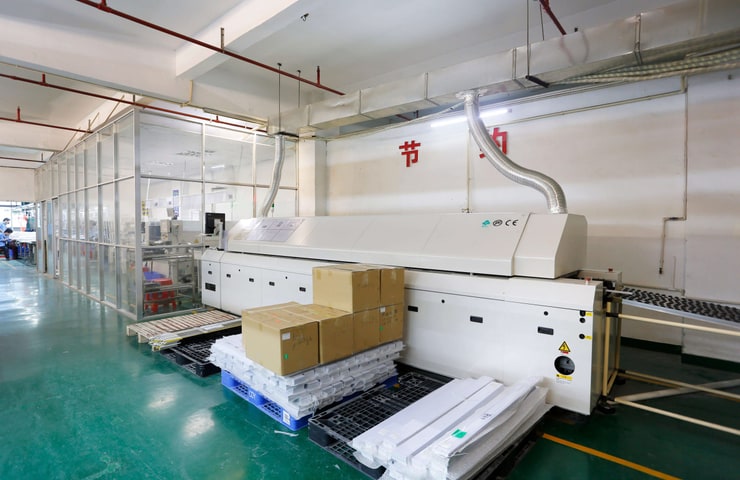
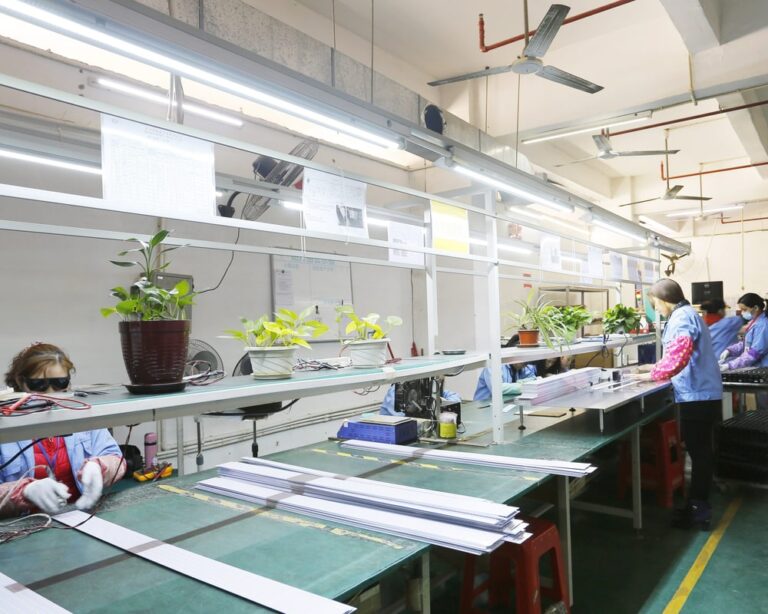
Testing and compliance planning must follow the released custom design, intended market, and mutually released specification. VST supports integrating-sphere, thermal, aging, and production-inspection checks during development and manufacturing. Agree the method, limits, documentation, certification route, and your compliance responsibilities for the actual project. Factory equipment images do not prove that an unapproved tube model meets a named standard.
Purpose: Check whether agreed optical and electrical targets are being approached on the evaluated sample.
Method: Measure relevant sample performance with integrating-sphere equipment at a general project-evaluate level.
Acceptance criteria: Optical and electrical readings meet the limits recorded for the evaluated sample.
Evidence: Project measurement data for the released sample when the agreed scope includes a recorded result.
Purpose: Help identify early instability, assembly concerns, or output variation before production release.
Method: Operate samples or production units through an agreed aging and observation process.
Acceptance criteria: No unacceptable instability or assembly change occurs during the agreed observation plan.
Evidence: A dated operating-check summary when documentation is specified for the development or production batch.
| Market | Standard / requirement | Scope | Confirmation note |
|---|---|---|---|
| Project destination market | Applicable electrical, lighting, system, and end-product requirements | Depends on the final module, host product, installation, destination-market responsibilities, and certification route. | Verify applicable documents and any certification route before the final quotation. |
Verify the released configuration, required data fields, language, and customer format.
Verify critical dimensions, connectors, cable exits, mounting points, and revision status.
For one model, the normal starting MOQ is 500 units when light customization adapts an existing platform and 1,000 units when high customization requires substantial structural, optical, electrical, PCB, tooling, or process changes. As a custom tube light vendor, VST sets the final quantity in the quotation after the selected construction and customization depth are defined. Product length, end parts, dedicated profiles, special materials, and packing variants can change the workable batch.
VST supports custom tube-light sample development. Processing charges apply because drawings, setup, component preparation, assembly, and evaluation are project-specific; a new profile, end part, fixture, or mold may create an additional tooling cost. Qualifying sample expenditure can be returned or credited against a later production order. The applicable amount, credit method, and qualifying order are discussed for the project and written into the quotation or order terms before sample work begins.
For light customization, a tube sample normally takes 15–25 working days and bulk production 20–30 working days. High customization normally requires 30–50 working days for samples and 25–35 working days for the production run. Timing begins after the necessary technical information and applicable sample fee, tooling fee, deposit, or other order conditions are complete. For stable demand, agreed key materials can be reserved so later orders enter production sooner; these ranges remain planning windows rather than fixed delivery guarantees.
A tooling or NRE charge may be needed when the tube program requires a new extrusion or mold, dedicated end part, PCB, optical component, assembly fixture, test fixture, or other project-only production resource. An eligible tooling or mold charge can be credited against payment for a later production order. VST and your team define the qualifying order, applicable amount, and credit method for the project, then record those terms in the quotation or order documents.
VST coordinates established component sources with released drawings, material definitions, production references, and incoming, in-process, final, and outgoing controls for repeat tube orders. When demand is stable, forecast-based preparation or reservation of agreed key materials can support steadier supply and faster scheduling of later batches. Material reservation does not mean finished tubes are held in stock, and it does not remove change control; forecasts, revision status, and actual release quantities still govern production planning.
Tube-light packaging can be customized for the product and order scope, including labels, branded artwork, barcodes, carton markings, product instructions, user manuals, and protective packs. VST develops the pack around tube length, surface protection, accessory separation, identification, and downstream handling so parts remain organized and the presentation fits your program. Shipment coordination can support the final dispatch plan, while carton dimensions, pack quantity, freight terms, destination charges, and transit timing are stated only after the packing solution is defined.
After defining the tube format, compare adjacent linear-lighting paths that may solve the same host-product constraint. Relevant next steps can include rigid linear modules, flexible strips, slim panels, driver and connector options, thermal-integration guidance, or testing and documentation resources. Use those paths to evaluate whether a tube remains the best architecture before locking the product interface.
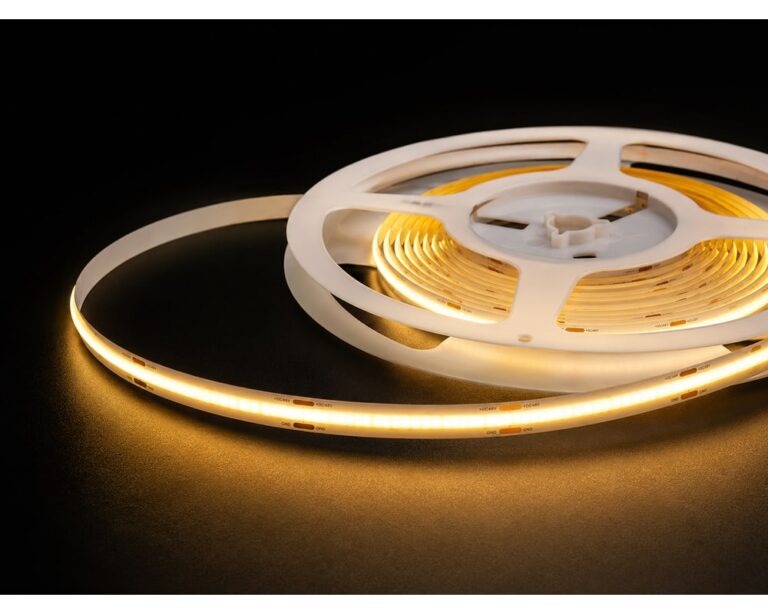
Plan custom LED strip lights for furniture, retail fixtures, architectural details, and equipment integration. As a custom LED strip lights manufacturer, VST connects run…
View details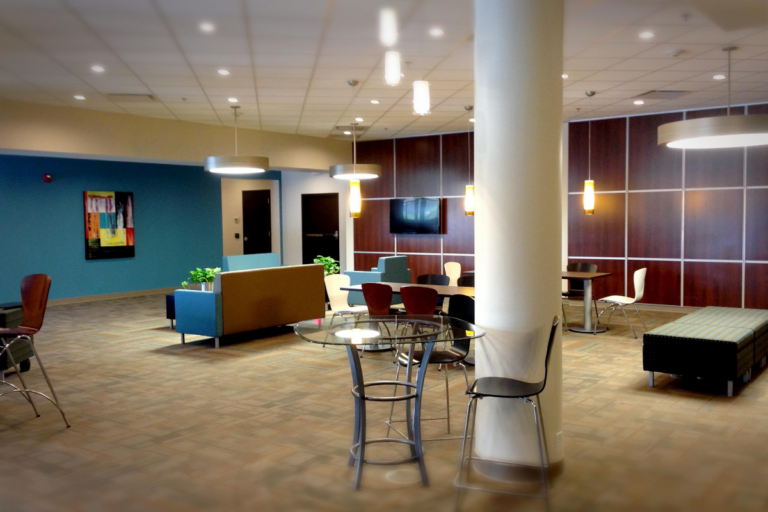
Custom LED module development for furniture brands, cabinet makers, shopfitters and OEM/ODM product teams.
View details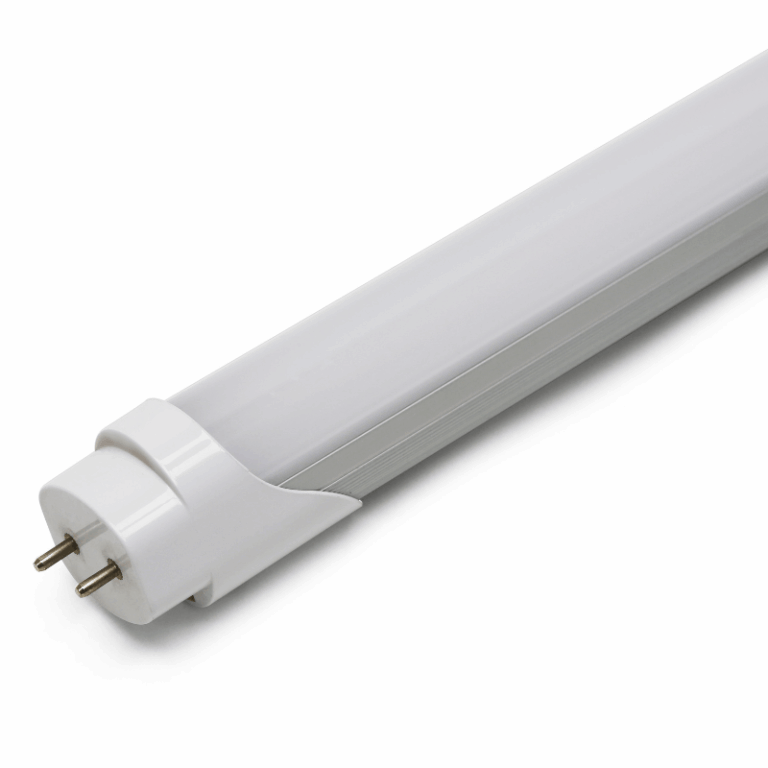
2400mm 36W T8 LED tube light for long-run warehouse aisles, production lines, logistics areas, and large commercial replacements. It provides 150lm/W efficiency, AC85V-265V input,…
View details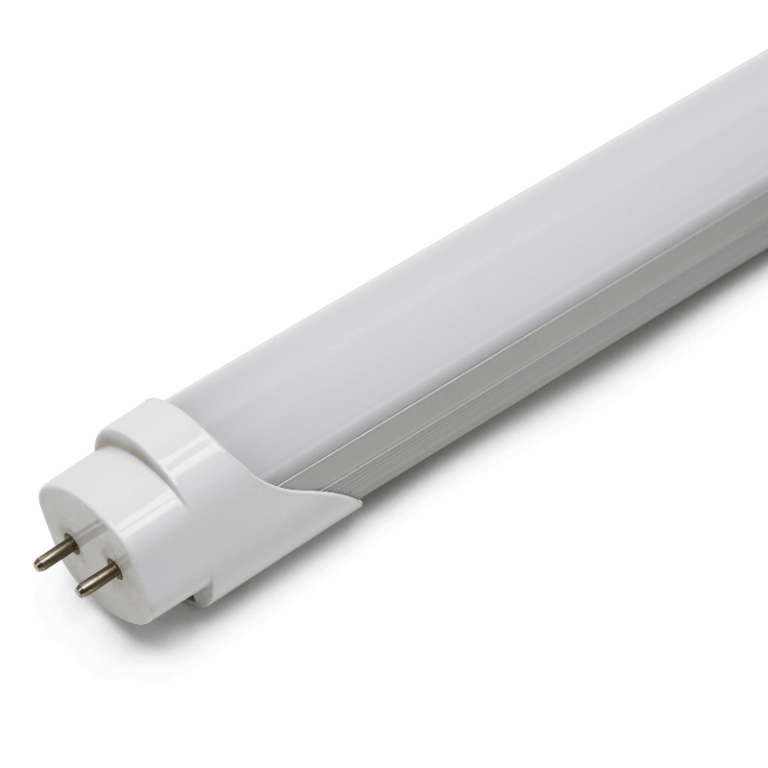
Compact 450mm 7W T8 LED tube light for cabinets, display fixtures, equipment integration, and tight commercial retrofit spaces. It offers 150lm/W efficiency, AC85V-265V input,…
View details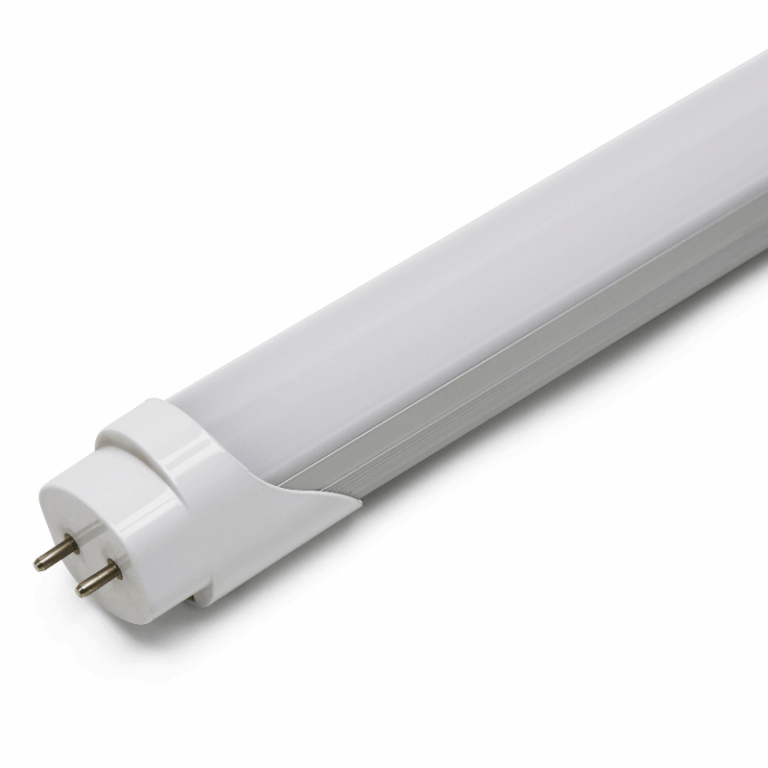
600mm 10W T8 LED tube for office, corridor, school, and compact commercial retrofit projects. With 150lm/W efficiency, 50,000hrs lifespan target, AC85V-265V input, >0.92 power…
View detailsThey can be discussed as configuration-dependent targets, but feasibility depends on the host-product envelope, heat path, optical package, driver arrangement, end construction, tooling, and material availability. Provide a dimensioned installation drawing and identify critical tolerances. VST can then evaluate whether an existing structure is suitable or whether a new profile, PCB, end part, or fixture is likely to be required.
They can be discussed as configuration-dependent targets, but feasibility depends on the host-product envelope, heat path, optical package, driver arrangement, end construction, tooling, and material availability. Provide a dimensioned installation drawing and identify critical tolerances. VST can then evaluate whether an existing structure is suitable or whether a new profile, PCB, end part, or fixture is likely to be required.
Send the application description, available space, mounting points, electrical source, connector or cable preference, target surface, light-quality priorities, expected quantity, and destination market. A host-product drawing, reference tube, or physical sample is especially useful. The sample objective should also be clear: mechanical fit, visual acceptance, measured performance, assembly evaluate, or a combination of these.
Yes. These elements influence appearance, internal space, assembly, and service access, so they should be evaluated together. Provide a visual target, mating interface, cable route, connector restrictions, and installation sequence. VST coordinates the approach through drawings and a sample instead of treating each feature as an isolated option.
Use one controlled reference that links the drawing revision, end interface, mounting, finish, optical target, and project checks. Evaluate fit and appearance inside the real host product whenever practical, record every accepted change, and identify the exact sample or controlled document that production must follow. Market suitability and any certification route are established separately for the final assembly and destination.
A single lightly customized model normally starts at 500 units; the usual starting point for a deeply customized model is 1,000 units. Existing-platform changes generally fit the lighter route, while a new profile, optical structure, PCB, tooling, or production process usually fits the deeper route. Send the required length, interfaces, expected volume, and customization scope so the quotation can state the workable quantity.
Often yes, when the variants share a practical profile, PCB concept, diffuser, end system, and assembly method. Each length or interface still needs its own controlled drawing, bill of materials, wiring definition, and identification. Start with the variant carrying the tightest fit or thermal constraint, then evaluate whether the other versions can use the same platform without creating unnecessary tooling, inventory, or inspection complexity.